DANCE

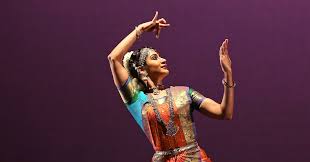
Indian dance

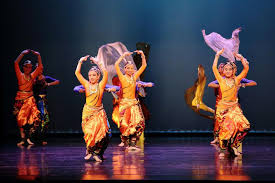
Indian classical dance, or Shastriya Nritya, is an umbrella term for various performance arts rooted in religious Hindu musical theatre styles,[1][2][3] whose theory and practice can be traced to the Sanskrit text Natya Shastra.[4][5][6]

The number of recognized classical dances range from eight to more, depending on the source and scholar.[7] The Sangeet Natak Akademi recognizes eight – BharatanatyamKathakKuchipudiOdissiKathakaliSattriyaManipuri and Mohiniyattam.[8] Scholars such as Drid Williams add ChhauYakshagana and Bhagavata Mela to the list.[9][3] The Culture Ministry of the Government of India includes Chhau in its classical list. These dances are traditionally regional, all of them include music and recitation in local language or Sanskrit, and they represent a unity of core ideas in a diversity of styles, costumes and expression. Indian classical dance is made from India and classical dance is played by various actors.
Tattoo

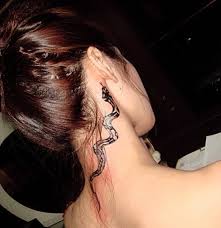
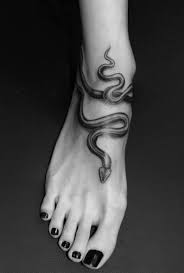
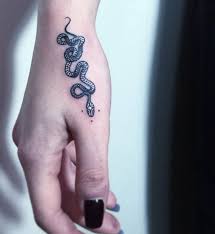
Tattooo: Tattooing has been practiced across the globe since at least Neolithic times, as evidenced by mummified preserved skin, ancient art and the archaeological record.[1][2]Both ancient art and archaeological finds of possible tattoo tools suggest tattooing was practiced by the Upper Paleolithic period in Europe. However, direct evidence for tattooing on mummified human skin extends only to the 4th millennium BC. The oldest discovery of tattooed human skin to date is found on the body of Ötzi the Iceman, dating to between 3370 and 3100 BC.[3] Other tattooed mummies have been recovered from at least 49 archaeological sites, including locations in GreenlandAlaskaSiberiaMongolia, western ChinaEgyptSudan, the Philippines and the Andes.[4] These include Amunet, Priestess of the Goddess Hathor from ancient Egypt (c. 2134–1991 BC), multiple mummies from Siberia including the Pazyryk culture of Russia and from several cultures throughout Pre-Columbian South America.[3]

Fashion Design

fashion world

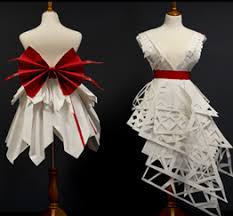
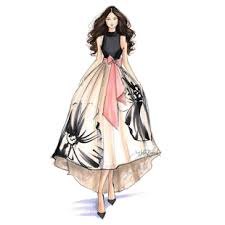
Fashion design is the art of applying designaesthetics and natural beauty to clothing and its accessories. It is influenced by cultural and social attitudes, and has varied over time and place. Fashion designers work in a number of ways in designing clothing and accessories such as bracelets and necklaces. Because of the time required to bring a garment onto the market, designers must at times anticipate changes to consumer tastes.

Designers conduct research on fashion trends and interpret them for their audience. Their specific designs are used by manufacturers. This is the essence of a designer’s role; however, there is variation within this that is determined by the buying and merchandising approach, and product quality; for example, budget retailers will use inexpensive fabrics to interpret trends, but high-end retailers will ensure that the best available fabrics are used.[1]

Fashion designers attempt to design clothes which are functional as well as aesthetically pleasing. They consider who is likely to wear a garment and the situations in which it will be worn, and they work within a wide range of materials, colors, patterns and styles. Though most clothing worn for everyday wear falls within a narrow range of conventional styles, unusual garments are usually sought for special occasions such as evening wear or party dresses.

Some clothes are made specifically for an individual, as in the case of haute couture or bespoke tailoring. Today, most clothing is designed for the mass market, especially casual and every-day wear are called ready to wear.